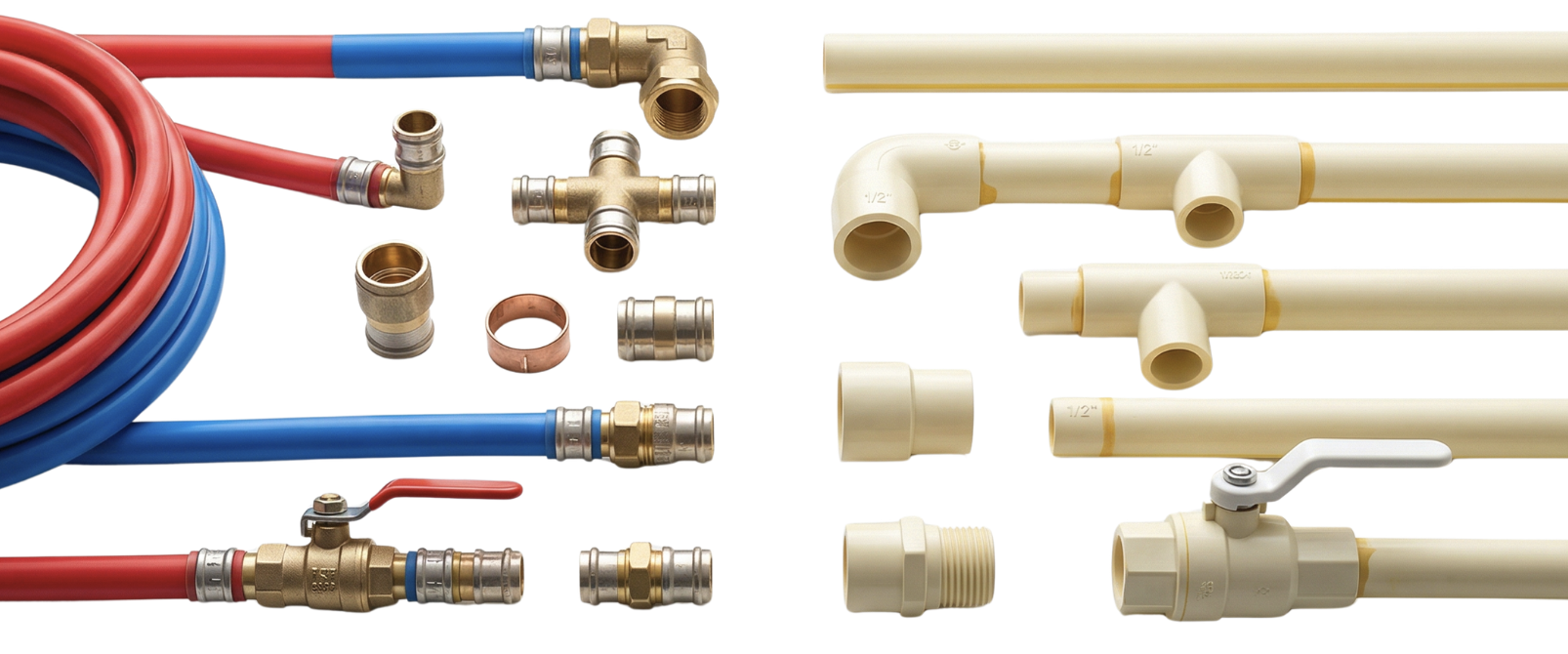
PEX vs CPVC pipes is one of the most common comparisons when selecting materials for modern plumbing systems. Choosing the right piping solution is essential because it directly affects durability, installation efficiency, maintenance, and long-term performance.
Modern construction projects require plumbing systems that are reliable, cost-effective, and capable of handling different environmental conditions. Both PEX and CPVC pipes are widely used in residential, commercial, and industrial plumbing due to their unique advantages. However, understanding their differences is crucial for making the right decision.
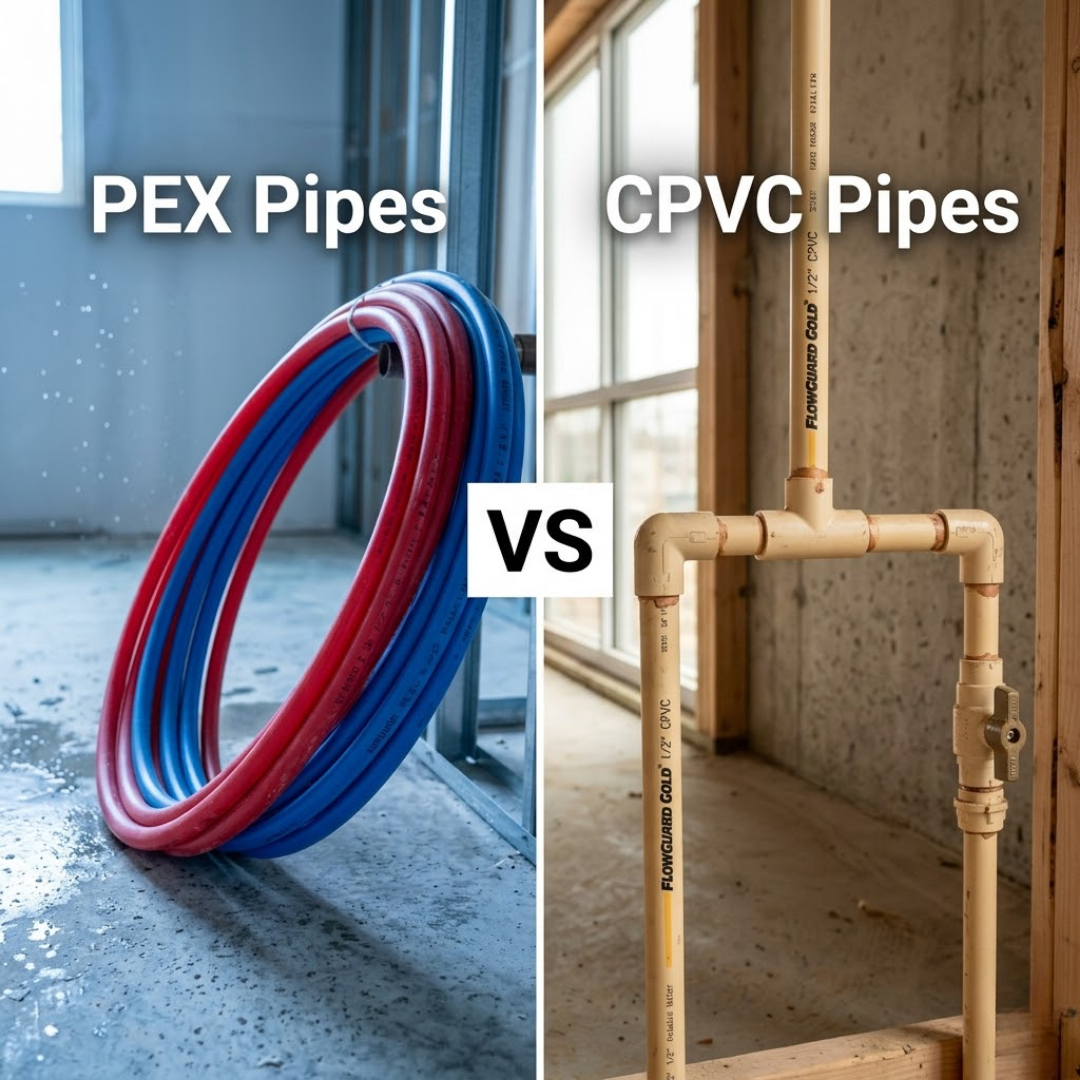
What Are PEX vs CPVC Pipes? Complete Overview
PEX (cross-linked polyethylene) pipes are flexible plastic pipes that are widely used in modern plumbing systems. They are known for their flexibility, durability, and resistance to corrosion.
One of the biggest advantages of PEX pipes is their ability to bend easily. This flexibility allows plumbers to install pipes around corners without using multiple fittings, which reduces installation time and minimizes leakage points.
PEX pipes are commonly used in:
- Residential plumbing systems
- Hot and cold water supply
- Underfloor heating systems
They also perform well in colder environments because they can expand slightly under freezing conditions, reducing the chances of pipe bursts.
CPVC (chlorinated polyvinyl chloride) pipes are rigid plastic pipes known for their strength and high-temperature resistance. They have been used in plumbing systems for many years and are considered a reliable solution for water distribution.
Unlike PEX pipes, CPVC pipes are not flexible and require fittings to change direction. These pipes are joined using solvent cement, which creates strong and leak-resistant joints.
CPVC pipes are widely used in:
- Hot water supply systems
- Commercial plumbing
- Industrial applications
They are especially suitable for environments where high-temperature resistance is required.
Key Differences Between PEX vs CPVC Pipes Explained
Understanding the differences between PEX vs CPVC pipes helps in selecting the right material for specific plumbing needs.
Flexibility
PEX pipes are highly flexible and can bend easily, making them suitable for complex installations. CPVC pipes are rigid and require fittings for directional changes.
Installation
PEX pipes are faster and easier to install due to fewer fittings. CPVC pipes require solvent cement and careful joint installation, which takes more time.
Temperature Resistance
CPVC pipes offer better resistance to high temperatures, making them ideal for hot water systems. PEX pipes also handle hot water but within standard residential limits.
Corrosion Resistance
Both PEX and CPVC pipes resist corrosion effectively, ensuring clean water flow and long-lasting performance.
Durability
Both materials are durable when installed properly, but their performance depends on usage conditions and installation quality.
Advantages of PEX vs CPVC Pipes in Plumbing Systems
PEX pipes offer several benefits that make them popular in modern plumbing systems.
- Flexible and easy to install
- Requires fewer fittings
- Resistant to corrosion and scaling
- Suitable for cold climates
- Ideal for residential plumbing
Their flexibility reduces installation complexity and improves efficiency in modern construction projects
CPVC pipes also provide strong advantages, especially in specific applications.
- High temperature resistance
- Strong and rigid structure
- Reliable for hot water systems
- Resistant to chemicals and corrosion
- Suitable for commercial use
These features make CPVC pipes a dependable choice where heat resistance and strength are required.
When to Choose PEX vs CPVC Pipes for Your Project
PEX pipes are ideal for projects where flexibility and speed of installation are important. They are commonly used in residential plumbing systems and renovation projects where routing pipes through tight spaces is necessary.
They are also suitable for underfloor heating systems and areas where freezing conditions may occur. Their ability to expand under pressure reduces the risk of damage.
For homeowners and builders looking for an easy-to-install and efficient plumbing solution, PEX pipes are a practical choice.
CPVC pipes are best suited for applications that require high-temperature resistance and strong structural performance. They are widely used in hot water systems, commercial buildings, and industrial setups.
Their rigid structure provides stability and long-term reliability, especially in environments where pipes are exposed to heat and chemicals.
For projects that demand durability and heat resistance, CPVC pipes are a reliable option.
Installation and Maintenance of PEX vs CPVC Pipes
Installation and maintenance are important factors when comparing PEX vs CPVC pipes.
PEX pipes are easier to install due to their flexibility. They require fewer joints and fittings, which reduces installation time and potential leakage points.
CPVC pipes require solvent cement for joining, which creates strong and secure connections. However, the installation process is more time-consuming compared to PEX.
In terms of maintenance, both piping systems require minimal upkeep. Their corrosion resistance ensures long-term performance with fewer plumbing issues.
Cost Comparison of PEX vs CPVC Pipes
Cost is another important factor when choosing between PEX vs CPVC pipes.
PEX pipes are generally more cost-effective in terms of installation because they require fewer fittings and less labor. This makes them a budget-friendly option for residential projects.
CPVC pipes may have slightly higher installation costs due to fittings and labor requirements. However, they provide excellent value in applications where heat resistance is critical.
Lifespan and Performance of PEX vs CPVC Pipes
When comparing PEX vs CPVC pipes, lifespan and overall performance are important factors to consider for long-term plumbing efficiency. Both piping materials are designed to last for many years, but their performance depends on installation quality, usage conditions, and environmental factors.
PEX pipes are known for their flexibility and resistance to freezing conditions, which helps reduce the risk of pipe damage in colder climates. Their ability to expand and contract under pressure makes them less likely to crack or burst compared to rigid piping materials.
On the other hand, CPVC pipes offer excellent performance in high-temperature environments. Their rigid structure ensures stability and strength, making them suitable for applications where heat resistance is critical. CPVC pipes also perform well in environments where exposure to chemicals or high heat is common.
Both PEX and CPVC pipes can last for several decades when installed correctly and used within their recommended limits. Choosing between them depends on the specific requirements of the plumbing system, including temperature conditions, installation environment, and long-term usage expectations.
Which Is Better: PEX vs CPVC Pipes for Your Needs?
The answer to PEX vs CPVC pipes depends on the specific requirements of your project.
PEX pipes are better for:
- Flexible installations
- Residential plumbing
- Faster installation
CPVC pipes are better for:
- High-temperature systems
- Commercial and industrial use
- Strong and rigid piping needs
Both materials are reliable, and the best choice depends on your plumbing needs and environmental conditions.
Conclusion: Choosing the Right Option Between PEX vs CPVC Pipes
The comparison between PEX vs CPVC pipes highlights that both materials are highly effective for modern plumbing systems. Each offers unique benefits, making them suitable for different types of applications.
PEX pipes provide flexibility, faster installation, and cost efficiency, while CPVC pipes offer strength, heat resistance, and long-term durability. Choosing the right piping system depends on factors such as temperature requirements, installation conditions, and project scale.
For modern plumbing systems, selecting high-quality materials and proper installation methods ensures long-lasting performance and efficiency. Trusted brands like Livshine offer reliable piping solutions that meet the demands of modern construction and water distribution systems.